Menopause explained

Perimenopause & Menopause Explained: Symptoms, Weight Gain & What Actually Works

Here at Better Shape Fitness in Wollongong, our Senior Personal Trainer, Kylie, offers expert guidance in personal training tailored to each client’s needs—especially for those seeking relief from back pain.

Perimenopause & Menopause Explained: Symptoms, Weight Gain & What Actually Works

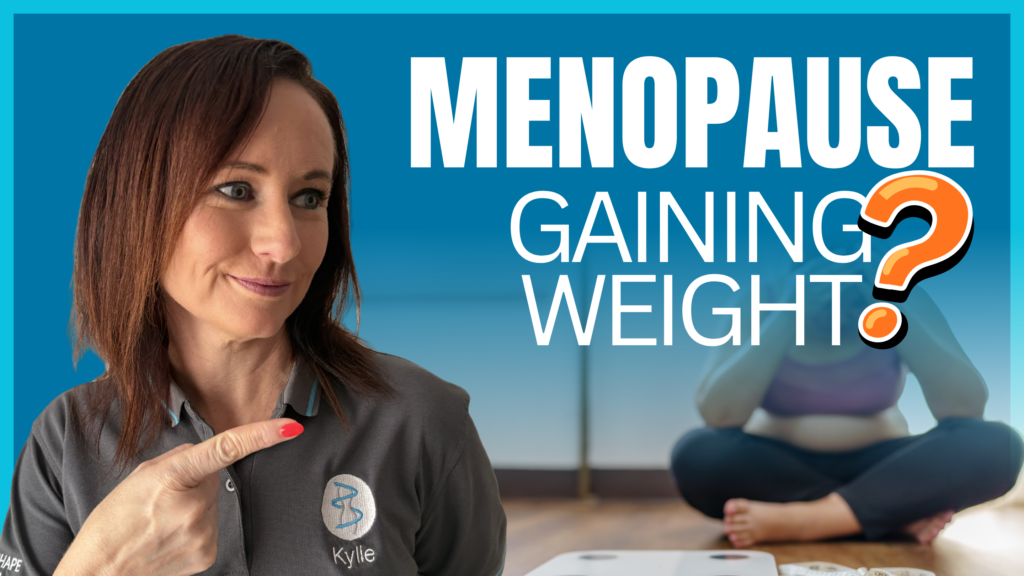
Menopause explained

Weight gain, waking up at 3 a.m., feeling exhausted, hot flushes, mood swings, joint pain.

Peri menopause and menopause impact our body, our mental well being, our families and relationships. It also impacts our careers. Do you know what it is and do you know what can be done to help?

Today We’ll cover
-Perimenopause Vs Menopause
-Symptoms you can expect, and some that may surprise you!
-What actually works and where to get help

I’m Kylie Taylor, I have a commercial gym here in Wollongong and I’ve been a PT for
over 10 years specialising in helping people with weight loss and strength training, along with injury rehabilitation and chronic health issues.

PERIMENOPAUSE VS MENOPAUSE
One thing that’s really important to understand is that perimenopause and menopause are not the same thing.

Perimenopause is the transition leading up to menopause. During this time, our ovaries gradually produce less oestrogen, but hormone levels don’t decline in a straight line, they fluctuate. These ups and downs are what cause many of the symptoms women experience, such as irregular periods, hot flushes, night sweats, mood changes, brain fog, poor sleep, and changes in weight or body composition.

Perimenopause can begin in your 40s, sometimes even your late 30s, and it can last anywhere from a few years to over a decade.

Menopause, on the other hand, isn’t a phase that lasts for years, it’s actually a single point in time. You’re considered to have reached menopause once you’ve gone 12 consecutive months without a menstrual period, provided there isn’t another medical reason for your period stopping.

After that, you enter postmenopause, when hormone levels remain consistently lower. Some symptoms improve over time, while others, such as changes in bone density and heart health, become more important to monitor.

SYMPTOMS YOU CAN EXPECT
Common symptoms include:

  • Irregular periods which can be shorter, longer, heavier, lighter or missed
  • Hot flushes
  • Night sweats
  • Difficulty sleeping or waking during the night
  • Fatigue
  • Brain fog or forgetfulness
  • Difficulty concentrating
  • Mood swings
  • Increased anxiety
  • Low mood or depression
  • Irritability
  • Weight gain, particularly around the abdomen
  • Loss of muscle mass and strength
  • Increased body fat
  • Joint aches and stiffness
  • Headaches or worsening migraines
  • Breast tenderness
  • Bloating
  • Reduced libido
  • Vaginal dryness
  • Painful intercourse
  • Urinary urgency
  • Urinary tract infections
  • Dry skin
  • Dry eyes
  • Itchy ears
  • Feeling like your skin is crawling
  • Hair thinning or increased hair shedding
  • Changes in body odour
  • Heart palpitations
  • Reduced recovery from exercise

So that was a long list, the itchy ears was one I didn’t know!!

Not every woman experiences all of these symptoms, and the severity can vary significantly.

Because of lower oestrogen levels woman can be at risk of muscle loss, reduced bone density with an increased risk of osteoporosis, increased cholesterol levels and increased risk of cardiovascular disease.

WHAT ACTUALLY WORKS AND WHERE TO GET HELP
Now for the part you’ve probably been waiting for. There is so much information online about menopause, from miracle supplements to detoxes and hormone-balancing diets. The truth is, many of these claims aren’t supported by good evidence.

The good news is that there are several strategies that consistently show benefits for women during perimenopause and menopause.

1. Strength Training
If I could recommend just one thing, it would be strength training. As oestrogen levels decline, women naturally lose muscle mass and bone density. Strength training helps slow this process, improves bone health, boosts metabolism, supports healthy blood sugar levels, and makes everyday activities easier. It improves confidence and overall quality of life.
Aim for a minimum of three strength sessions each week, focusing on progressively challenging your muscles over time.

2. Prioritise Protein
Protein becomes even more important during perimenopause and menopause because it helps maintain muscle mass, supports recovery and keeps you feeling fuller for longer. Try to include quality sources of protein with every meal. Things such as lean meat, fish, eggs, tofu, Greek yoghurt are all excellent choices.

3. Keep Moving
Strength training is important, but so is regular movement. Walking, cycling, swimming or any activity you enjoy will help support heart health, improve mood, help manage weight and can reduce stress.

4. Look After Your Sleep
Poor sleep is one of the most frustrating symptoms women experience. While hormones often play a role, simple habits can still help. Keep a regular sleep routine, turn off devices an hour before bed, turn the lighting down, make your bedroom cool and dark, avoid alcohol and try to limit caffeine later in the day.

5. Manage Stress
Finding ways to unwind, whether that’s walking, yoga, meditation, deep breathing or simply making time for yourself, can improve both your physical and mental wellbeing.

6. Eat for Long-Term Health
Forget restrictive diets.Focus on eating plenty of vegetables, fruit, wholegrains, healthy fats, fibre and calcium-rich foods. This supports your heart, bones, gut health and energy levels.

7. Talk to Your GP About Treatment Options
Lifestyle changes form the foundation, but they aren’t the whole picture. For some women, Menopausal Hormone Therapy (MHT), previously known as Hormone Replacement Therapy or HRT, can make a significant difference to symptoms and quality of life. It’s not suitable for everyone, but for many women it can be a safe and effective treatment. Your GP can help determine whether it’s appropriate for you and discuss both hormonal and non-hormonal treatment options.

8. Talk to your family
My husband knew something was changing but didn’t understand what I was going through. When I told him what it was, he went and read up about it. Him having some understanding of what is going on has been a big help for me. This is a time in our lives we do not want to push our loved ones away.

You don’t have to struggle through perimenopause or menopause on your own. If your symptoms are affecting your quality of life, please speak with a healthcare professional.
If you need more specialised care, here in Wollongong we have dedicated menopause services, including MenoWell Hub and Lumara Menopause Clinic:

https://lumaramenopauseclinic.com.au

https://www.menowellhub.com.au

Please remember, menopause is a natural stage of life, it isn’t something you simply have to “put up with.” There are effective, evidence-based treatments available, and the sooner you seek advice, the sooner you can start feeling like yourself again.
 

Peptides

Peptides Explained: What they Are & Do They Work

Here at Better Shape Fitness in Wollongong, our Senior Personal Trainer, Kylie, offers expert guidance in personal training tailored to each client’s needs—especially for those seeking relief from back pain.

Peptides Explained: What they Are & Do They Work

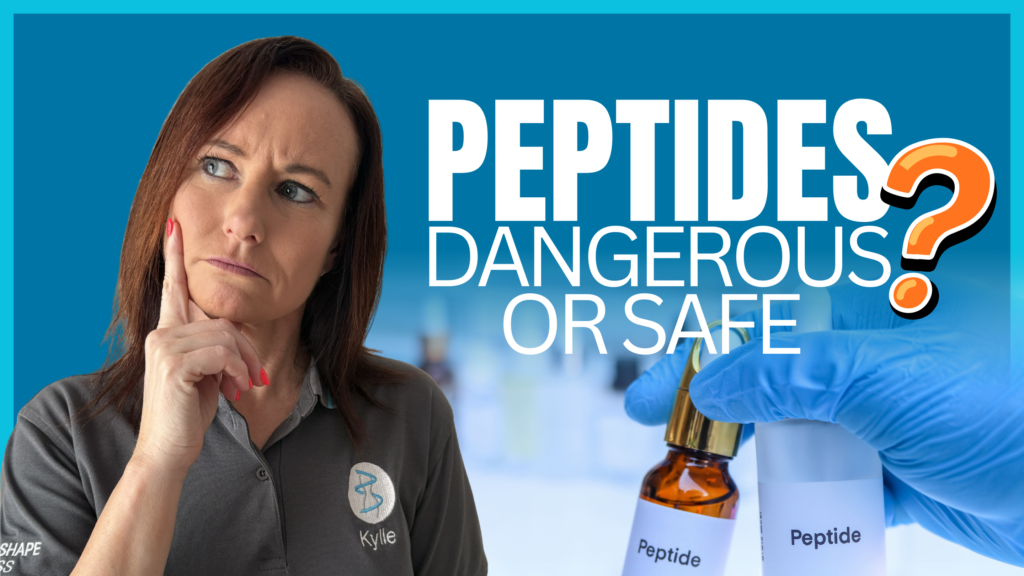
Peptides

I’ve witnessed some great weight loss results with peptides.
I’ve also seen some absolutely catastrophic results with peptides.

Let’s get some clarity, so that you know what you are getting yourself into.

We’ll cover

  • What are peptides
  • Common types of peptides
  • Potential benefits, risks and considerations
  • What the research says

Toxic contamination, organ failure, extreme reactions, even cancer acceleration have all been contributed to the use of some peptides. 


WHAT ARE PEPTIDES

We know about peptide injections for fat loss but they can also help muscle growth, anti-ageing, recovery, or even longevity.

So what exactly are peptides?
Simply, Peptides signal your body to do different things.

They are tiny pieces of protein. Proteins are made up of amino acids linked together in long chains. When those chains are shorter, they’re called peptides.
Your body naturally produces different peptides every day.They act like biological messengers, in your body.

  • Some help regulate hunger and appetite.
  • Others play a role in healing and tissue repair.
  • Some influence muscle growth.
  • Others help regulate hormones and metabolism.

So peptides themselves aren’t new. They’re already part of your normal human biology.What’s new is that scientists have developed peptide-based medicines and therapies designed to target specific functions in the body. It’s also important to understand that not all peptides are medicines.

The danger we face is that peptides may signal more than the specific desired area and cause other areas of the body to react. That is why they must be studied and approved first.


COMMON TYPES OF PEPTIDES

Weight Loss Peptides
This is the category most people know today, GLP-1 medications. Most commonly medicines like Ozempic and Wegovy that contain semaglutide, and Mounjaro containing tirzepatide. These medicines act on hormone pathways involved in appetite regulation and blood sugar control.

  • They can help:
  • Reduce hunger
  • Increase feelings of fullness
  • Slow stomach emptying
  • Improve blood sugar control

Unlike many peptides promoted online, these medications have been studied in large human clinical trials.
For people who meet the medical criteria, they can be highly effective tools for weight management when used under medical supervision.

Growth Hormone Peptides
Another popular category includes compounds such as:

  • CJC-1295
  • Ipamorelin

These compounds are designed to stimulate the body’s release of growth hormone.
They’re often promoted as a way to improve:

  • Recovery
  • Muscle growth
  • Fat loss
  • Sleep quality

However, the evidence supporting these uses is much weaker than the evidence supporting GLP-1 medications, and results can vary considerably.

Healing and Recovery Peptides
Examples include:

  • BPC-157
  • TB-500

These are often promoted online for:

  • Tendon injuries
  • Joint pain
  • Faster healing
  • Recovery from training

Research is still in its very early stages. Many of the claims come from animal studies and laboratory research.

Cosmetic and Anti-Ageing Peptides
Some peptides are used in skincare products and cosmetic formulations.

They’re commonly promoted as helping:

  • Collagen production
  • Skin texture
  • Wrinkles and fine lines
  • Overall skin appearance

While some skincare peptides may have benefits, the dramatic anti-ageing claims you often see in advertising are over exaggerated.


WHAT ARE THE POTENTIAL BENEFITS, RISKS AND CONSIDERATIONS?

Peptides are being talked about because people want:

  • Faster fat loss
  • More muscle
  • Better recovery
  • Healthier skin
  • Improved longevity

And in some cases, certain peptides may provide genuine benefits. BUT, the important question isn’t whether peptides can do something.
The important question is WHICH peptides have strong evidence supporting them and have been trialled properly.

In June 2026 Professor Michael Kidd, the Chief medical Doctor of the Australian Therapeutic Goods Administration said in a media release:
“The TGA does not have oversight of the composition of ingredients, manufacturing standards, or the safety and efficacy of unapproved peptide products. Additionally, counterfeit products are often deliberately designed to mimic genuine medicines, making it difficult for consumers to identify unsafe or potentially harmful goods.”

Assuming that because something is called a peptide, it must automatically be safe, is a mistake.
Some peptide products promoted overseas are not approved by Australia’s Therapeutic Goods Administration, the TGA. That means their safety, quality, and effectiveness has not been assessed for use in Australia.

Buying peptide products online can carry huge risks, including:

  • Unregulated manufacturing
  • Contamination or low purity
  • Incorrect dosing or inaccurate labelling
  • Limited human data or no data at all


WHAT DOES THE RESEARCH SAY?


This is where we need to separate approved medicines from experimental compounds.

At one end of the spectrum, you have medications like GLP-1  drugs that have been studied in large human clinical trials and have demonstrated measurable benefits for SPECIFIC medical conditions.
At the other end, you have peptides that are heavily promoted online despite having zero scientific evidence.
All peptides require high-quality human studies before we can fully understand their effectiveness, appropriate dosing, long-term safety, and potential side effects.

So, do peptides work?
Some do, some might, and some don’t do anything.
The only way you can be sure is to wait for it to be approved in your country and you must work with a Doctor. 


So in summary, here’s the simple takeaway….

  • Peptides are short chains of amino acids that act as messengers in the body.
  • Some have become important medicines with strong scientific evidence behind them.
  • Others remain experimental and need much more research.
  • Some Peptides are just expensive snake oil with terrible side effects.

It’s really easy to be manipulated by the advertised benefits, they know exactly how to press our buttons. But we must not overlook the potential risks.
ALWAYS speak to your Doctor and get a prescription and NEVER buy peptides online.
The side effects could be catastrophic and irreversible. 

Focus on the foundations first:
Good nutrition.
Regular exercise.
Quality sleep.
Consistency over time.

No peptide can replace those foundations.

Better Shape Fitness YouTube video: https://youtu.be/BS-jUwIUBdA


Australian Therapeutic Goods Administration (TGA)
https://www.tga.gov.au/

https://www.tga.gov.au/safety/safety-monitoring-and-information/safety-alerts/tga-warning-risks-importing-unapproved-peptide-products

https://www.tga.gov.au/news/media-releases/concerns-regarding-public-health-risks-associated-unapproved-peptide-products

How Personal Training and Strengthening Exercises Can Improve Back Pain

Here at Better Shape Fitness in Wollongong, our Senior Personal Trainer, Kylie, offers expert guidance in personal training tailored to each client’s needs—especially for those seeking relief from back pain.

How Personal Training and Strengthening Exercises Can Improve Back Pain

Back pain is a common and often debilitating condition that affects many people, from desk workers to active individuals. While there are various treatment options, strengthening exercises and personal training have proven to be effective methods for managing and even alleviating back pain.

Here at Better Shape Fitness in Wollongong, our Senior Personal Trainer, Kylie, offers expert guidance in personal training tailored to each client’s needs—especially for those seeking relief from back pain.

Why Back Pain Occurs and How Strengthening Can Help

Back pain can result from poor posture, muscle imbalances, lack of core stability, or improper movement patterns. Kylie, who has extensive experience working with clients with back pain, shares that,

“One of the biggest issues we see is people over-relying on their lower back muscles while neglecting their core and surrounding muscles. This creates imbalances that put strain on the spine.”

Strengthening exercises focus on building muscle stability, flexibility, and resilience in key areas like the core, hips, and glutes. By enhancing these muscle groups, the pressure on the back is reduced, allowing it to move more freely without strain.

The Role of Personal Training in Managing Back Pain

For many, one of the challenges in starting a fitness routine is knowing which exercises are safe and effective, especially when dealing with back pain. That’s where Kylie’s expertise at Better Shape Fitness comes in. She explains,

“Personal training is invaluable because we assess each person’s needs, strengths, and limitations. We create a safe, progressive plan that builds strength and improves mobility without risking further injury.”

Kylie’s personalised approach begins with an assessment to determine the source of discomfort and identify any movement restrictions. This allows her to craft a workout plan that is both therapeutic and targeted, focusing on exercises that relieve pain rather than exacerbate it. Through careful supervision, she ensures each movement is performed correctly to maximise benefits and prevent re-injury.

Key Strengthening Exercises for Back Pain Relief
  1. Core Stability Exercises: The core is the central powerhouse of the body, and strengthening it can significantly alleviate back pain. Kylie incorporates exercises such as planks, bird-dogs, and dead bugs to build core stability, helping to offload stress from the back.
  2. Glute Strengthening: Weak glutes are often linked to lower back pain. Kylie introduces her clients to exercises like bridges, clamshells, and hip thrusts, which target the glutes and contribute to improved posture and reduced strain on the lower back.
  3. Mobility Work: Flexibility in the hips and hamstrings can prevent compensatory movements that strain the back. Kylie includes gentle stretching and mobility exercises that promote flexibility in a way that feels safe and effective.
  4. Back Extension Exercises: Carefully selected back extension exercises help to strengthen the lower back without overloading it. By starting with controlled movements, Kylie guides clients through back extensions that improve stability and ease tension.
The Mental Health Benefits of Personal Training

Living with chronic pain can be mentally exhausting. A regular personal training routine can significantly improve mental well-being by fostering a sense of accomplishment and control. Kylie is not just a personal trainer but also a supportive partner in her clients’ wellness journeys, providing encouragement and celebrating every small victory. At Better Shape Fitness in Wollongong, our supportive, non-intimidating environment helps clients feel comfortable, confident, and motivated to commit to their goals.

Start Your Back Pain Recovery Journey Today in Wollongong

If you’re in Wollongong and are struggling with back pain, Kylie and our team at Better Shape Fitness are here to help. We believe that pain relief is not just about avoiding discomfort but embracing a lifestyle that supports your body in the long term. Whether you’re just starting your fitness journey or looking for targeted pain relief, we offer the expertise, equipment, and support you need to achieve lasting results.

Book a consultation with Kylie today to discuss how personal training and a tailored strengthening program can transform your health and alleviate your back pain. With the right guidance, back pain relief is not only possible but can become the first step toward a stronger, healthier you.

Popup Close