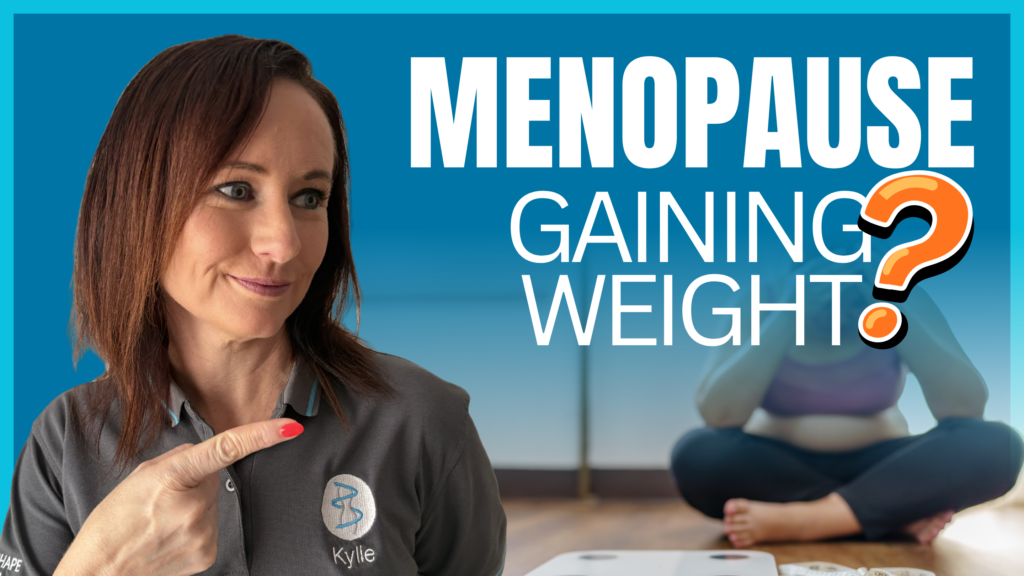
Weight gain, waking up at 3 a.m., feeling exhausted, hot flushes, mood swings, joint pain.
Peri menopause and menopause impact our body, our mental well being, our families and relationships. It also impacts our careers. Do you know what it is and do you know what can be done to help?
Today We’ll cover
-Perimenopause Vs Menopause
-Symptoms you can expect, and some that may surprise you!
-What actually works and where to get help
I’m Kylie Taylor, I have a commercial gym here in Wollongong and I’ve been a PT for
over 10 years specialising in helping people with weight loss and strength training, along with injury rehabilitation and chronic health issues.
PERIMENOPAUSE VS MENOPAUSE
One thing that’s really important to understand is that perimenopause and menopause are not the same thing.
Perimenopause is the transition leading up to menopause. During this time, our ovaries gradually produce less oestrogen, but hormone levels don’t decline in a straight line, they fluctuate. These ups and downs are what cause many of the symptoms women experience, such as irregular periods, hot flushes, night sweats, mood changes, brain fog, poor sleep, and changes in weight or body composition.
Perimenopause can begin in your 40s, sometimes even your late 30s, and it can last anywhere from a few years to over a decade.
Menopause, on the other hand, isn’t a phase that lasts for years, it’s actually a single point in time. You’re considered to have reached menopause once you’ve gone 12 consecutive months without a menstrual period, provided there isn’t another medical reason for your period stopping.
After that, you enter postmenopause, when hormone levels remain consistently lower. Some symptoms improve over time, while others, such as changes in bone density and heart health, become more important to monitor.
SYMPTOMS YOU CAN EXPECT
Common symptoms include:
- Irregular periods which can be shorter, longer, heavier, lighter or missed
- Hot flushes
- Night sweats
- Difficulty sleeping or waking during the night
- Fatigue
- Brain fog or forgetfulness
- Difficulty concentrating
- Mood swings
- Increased anxiety
- Low mood or depression
- Irritability
- Weight gain, particularly around the abdomen
- Loss of muscle mass and strength
- Increased body fat
- Joint aches and stiffness
- Headaches or worsening migraines
- Breast tenderness
- Bloating
- Reduced libido
- Vaginal dryness
- Painful intercourse
- Urinary urgency
- Urinary tract infections
- Dry skin
- Dry eyes
- Itchy ears
- Feeling like your skin is crawling
- Hair thinning or increased hair shedding
- Changes in body odour
- Heart palpitations
- Reduced recovery from exercise
So that was a long list, the itchy ears was one I didn’t know!!
Not every woman experiences all of these symptoms, and the severity can vary significantly.
Because of lower oestrogen levels woman can be at risk of muscle loss, reduced bone density with an increased risk of osteoporosis, increased cholesterol levels and increased risk of cardiovascular disease.
WHAT ACTUALLY WORKS AND WHERE TO GET HELP
Now for the part you’ve probably been waiting for. There is so much information online about menopause, from miracle supplements to detoxes and hormone-balancing diets. The truth is, many of these claims aren’t supported by good evidence.
The good news is that there are several strategies that consistently show benefits for women during perimenopause and menopause.
1. Strength Training
If I could recommend just one thing, it would be strength training. As oestrogen levels decline, women naturally lose muscle mass and bone density. Strength training helps slow this process, improves bone health, boosts metabolism, supports healthy blood sugar levels, and makes everyday activities easier. It improves confidence and overall quality of life.
Aim for a minimum of three strength sessions each week, focusing on progressively challenging your muscles over time.
2. Prioritise Protein
Protein becomes even more important during perimenopause and menopause because it helps maintain muscle mass, supports recovery and keeps you feeling fuller for longer. Try to include quality sources of protein with every meal. Things such as lean meat, fish, eggs, tofu, Greek yoghurt are all excellent choices.
3. Keep Moving
Strength training is important, but so is regular movement. Walking, cycling, swimming or any activity you enjoy will help support heart health, improve mood, help manage weight and can reduce stress.
4. Look After Your Sleep
Poor sleep is one of the most frustrating symptoms women experience. While hormones often play a role, simple habits can still help. Keep a regular sleep routine, turn off devices an hour before bed, turn the lighting down, make your bedroom cool and dark, avoid alcohol and try to limit caffeine later in the day.
5. Manage Stress
Finding ways to unwind, whether that’s walking, yoga, meditation, deep breathing or simply making time for yourself, can improve both your physical and mental wellbeing.
6. Eat for Long-Term Health
Forget restrictive diets.Focus on eating plenty of vegetables, fruit, wholegrains, healthy fats, fibre and calcium-rich foods. This supports your heart, bones, gut health and energy levels.
7. Talk to Your GP About Treatment Options
Lifestyle changes form the foundation, but they aren’t the whole picture. For some women, Menopausal Hormone Therapy (MHT), previously known as Hormone Replacement Therapy or HRT, can make a significant difference to symptoms and quality of life. It’s not suitable for everyone, but for many women it can be a safe and effective treatment. Your GP can help determine whether it’s appropriate for you and discuss both hormonal and non-hormonal treatment options.
8. Talk to your family
My husband knew something was changing but didn’t understand what I was going through. When I told him what it was, he went and read up about it. Him having some understanding of what is going on has been a big help for me. This is a time in our lives we do not want to push our loved ones away.
You don’t have to struggle through perimenopause or menopause on your own. If your symptoms are affecting your quality of life, please speak with a healthcare professional.
If you need more specialised care, here in Wollongong we have dedicated menopause services, including MenoWell Hub and Lumara Menopause Clinic:
https://lumaramenopauseclinic.com.au
https://www.menowellhub.com.au
Please remember, menopause is a natural stage of life, it isn’t something you simply have to “put up with.” There are effective, evidence-based treatments available, and the sooner you seek advice, the sooner you can start feeling like yourself again.
